







Search Results for: white guava
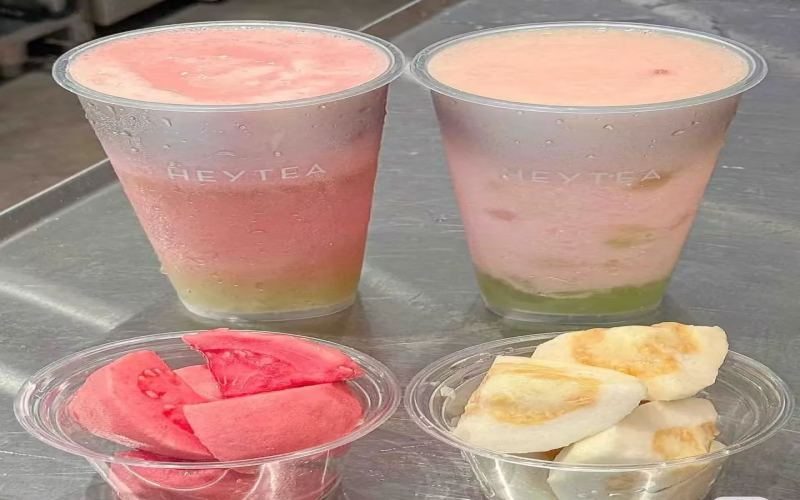
HEYTEA Guava Series Ingredient Change: After Red Guava's Curtain Call, White Guava Takes Over, Sweetness Sparks Heated Debate
As April draws to a close, the supply season for red-fleshed guava is coming to an end, and the seasonal guava fruit tea series featuring red-fleshed guava under HEYTEA is also facing discontinuation. However, fan enthusiasm has not waned, and the company immediately announced that it would replace red-fleshed guava with white guava, allowing the two limited-edition drinks "Refreshing Guava Grape" and "Refreshing Guava Jelly" to continue being sold. On the day the new products launched, HEYTEA offered a buy-one-get-one-free promotion, triggering a surge in store orders and noticeably longer waiting times for consumers. The new version of the drinks still has a pale pink appearance, but feedback on the taste is polarized: some people feel there is little difference from the old version, while others report that the sweetness is too high and the guava flavor has become weaker. Industry insiders point out that white guava and red-fleshed guava are inherently different in sweetness and flavor, and combined with adjustments to other ingredients in the formula, differences between the new and old versions are unavoidable. [more…]

Behind the Hot Sales of Red Heart Guava Drinks: Jasmine Milk Tea Employees Overwhelmed by Hand-Removing Seeds, Ripening Tricks Fail to Ease Order Pressure
Recently, a red guava trend has swept through the tea beverage scene, with brands such as Heytea, Jasmine Milk White, LELECHA, Quchashan, and Grandma Handmade launching seasonal limited-edition guava drinks. Among them, Jasmine Milk White's "Jasmine Pink Guava" and "Matcha Pink Guava," made with fresh-squeezed red guava juice in specialty fruit milk, quickly went viral, with orders flooding in. However, behind these highly photogenic drinks, store employees are crying out in distress—unripe guava flesh is rock hard, and manually scooping out the core and seeds is time-consuming and labor-intensive, leaving many with hand cramps or even carpal tunnel syndrome. To deal with the rock-hard guavas, staff tried ripening methods such as sealing them in plastic bags and placing them alongside bananas, but demand still outstripped supply. Compared with Heytea's approach of blending the fruit directly into smoothies—skin and seeds included—Jasmine Milk White employees, while envious, would rather the brand just discontinue the new products. This article takes you behind the scenes of the guava craze to reveal the hardships of making these drinks and the voices of the employees. [more…]

Jasmine Milk White Guava new drink criticized for astonishing amount of ice: the "less ice" option is practically useless, with ice filling half the cup.
Molly Tea recently launched its seasonal limited-edition "Exotic Guava Series," and the two new drinks—"Jasmine Cream Guava" and "Jasmine Guava Milk Skin"—quickly attracted a large number of consumers eager to try them, thanks to the pretty pink appeal of red-fleshed guava. However, not long after they hit the shelves, feedback flooding social platforms unexpectedly converged on one focal point—too much ice. Many customers found that even when they chose "less ice," the drink shrank by more than half after the ice was scooped out; some even fished thirty-five ice cubes out of a single less-ice drink. What exactly is going on here? And what secrets lie behind the ice standards at tea beverage shops? As an observer deeply engaged in coffee and beverage culture, Front Street Coffee is also paying attention to this phenomenon. [more…]

Ethiopia Sidama Bensa Region Coffee Flavor Analysis: The Perfume-Grade Alluring Aroma of 74158 and Other 74 Series Varieties
Bensa, a sub-region in Ethiopia's Sidama zone, is a sub-region known for its high altitude and unique microclimate, and the coffee it produces is often described as "little perfume." This article introduces Bensa's geographical advantages, cultivation patterns, and variety characteristics, especially how the 74 series disease-resistant varieties released by JARC contribute to its stable and stunning flavor. The Ethiopia Hamasho (74158 natural medium-light roast) on Front Street Coffee's bean list is a typical example; when ground, it releases light floral notes and the sweet aromas of mango and strawberry, and in the cup it presents rich layers of guava, citrus, and white flowers, with a light, clean mouthfeel and a long finish. If you are captivated by perfume-like coffee aromas, the Bensa region is worth trying. [more…]
HEYTEA's Handcrafted Store Launches 50 New Products at Once: How Far Can the Whole-Leaf Tea Brewing Move Go?
Heytea has opened its first global handmade tea shop in Nantou Ancient Town, Shenzhen. The three-story space corresponds to three product lines: hand-stirred ice, handmade tea, and hand-brewed fine tea, launching over 50 new products at once. From Musang King durian to mangosteen, Thai golden pomelo, and guava, to traditional brewed pure teas covering China's six major tea categories and creative mixed cups, this shop is clearly not satisfied with the conventional tea beverage playbook. The most expensive single item, "Large Musang King Durian," is priced at 138 yuan, and the cups have also been custom-designed. The new-style tea beverage brand is returning to deep cultivation of original leaf tea, driven by the continuously expanding tea beverage track and the rising proportion of pure tea. This article takes you through a complete understanding of the product structure, pricing strategy, and industry significance of this new launch. [more…]
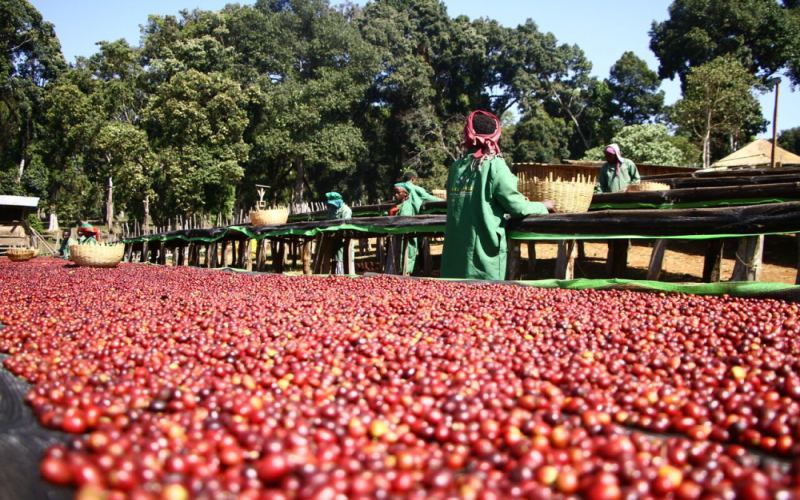
Ethiopia Guji Hambela Natural G1 Flavor Analysis: Hualgui Coffee Pour-Over Taste and Origin Background
Geisha—this Ethiopian natural bean that has drawn countless coffee lovers into the specialty world—what is its true origin and flavor? This article begins with the evolution of the Sidamo and Guji growing regions, sorts out the background of the Hambela farm and METAD, and explains in detail how Geisha went from a TOH champion to being named by batch. At the same time, Front Street Coffee brings the cupping and pour-over performance of the latest harvest Geisha 8.0: guava, jackfruit, and floral notes in the dry aroma; dried mango, passion fruit, and a juicy mouthfeel on the palate; and, as the temperature changes, the clean sweetness of peach and a black tea finish. Whether you are a beginner just getting into single-origin coffee or a veteran eager to understand batch differences, you will find useful information here. [more…]
Criteria for Identifying High-Quality Green Coffee Beans and an Analysis of Guatemala New Oriental Winey Natural Beans
What makes a coffee green bean truly high quality? From surface luster and color uniformity to bean-size consistency, every detail affects the flavor in the final cup. And the presence of defective beans is an invisible killer of both roasting and tasting. This article will guide you through practical methods for assessing green bean quality, and take you deep into Guatemala's New Oriente region to discover the Guava Plains Estate winey natural coffee beans recommended by Front Street Coffee—SL28 variety at 1,675 meters, processed via winey natural method, presenting the alluring flavors of pineapple, dried apricot and red wine. At the same time, we will also review the evolution of Guatemala's coffee industry, and see how international green bean traders work with local estates to break the vicious cycle of the traditional supply chain. [more…]
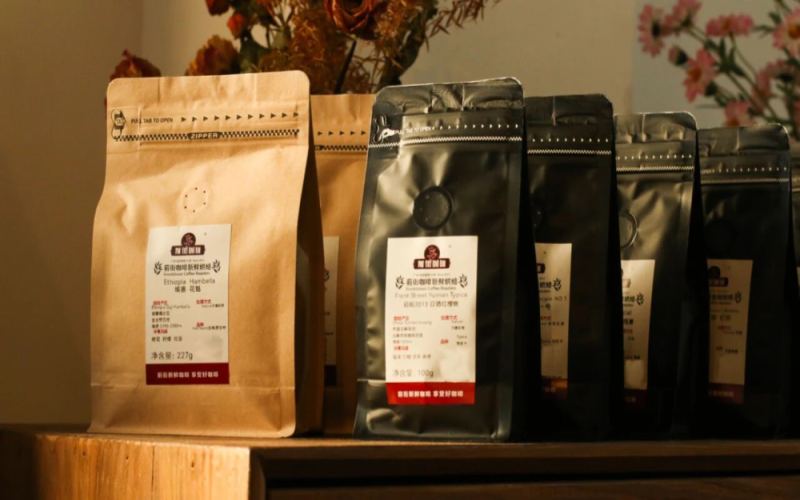
Factors Influencing Coffee Flavor | Why Do Coffee Beans Have Fruity Flavors? Recommended Specialty Pour-Over Coffee Beans with Pronounced Sweetness and Rich Fruity Aromas
Front Street Coffee - Introduction to the Floral and Fruity Aromas of Coffee Beans. The main factors affecting coffee flavor are the following four, and below we will explain from the four aspects of variety, origin, processing method, and roast level how to choose the coffee beans that suit you. Why does coffee have fruity notes? The reason coffee smells (and tastes) "fruity" ultimately comes down [more…]
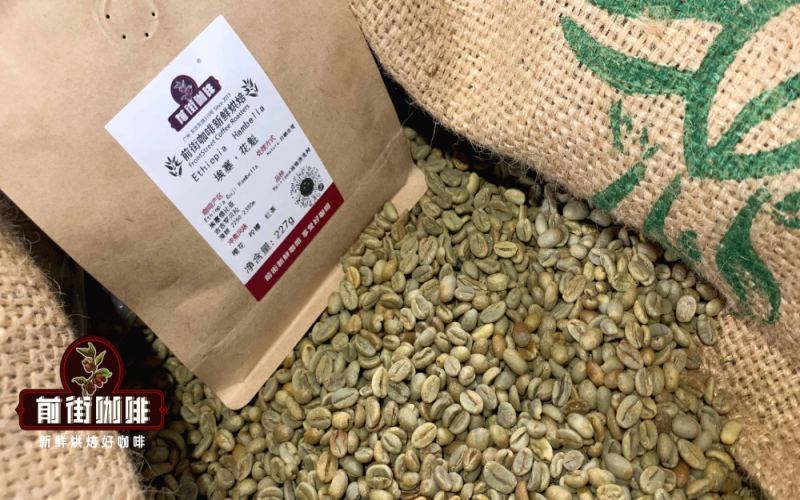
Ethiopia Sidamo Coffee Flavor Analysis: Washed and Natural Processing Characteristics and Hamasho 74158
Sidama is a well-known specialty coffee region in southern Ethiopia bordering Kenya, with elevations ranging from 1,400 to 2,200 meters. The terrain here is complex and varied, the volcanic soil is fertile and deep, and the microclimates together with countless native varieties combine to create coffees of extremely diverse styles. Beyond the widely known Huakui, Sidama has also produced many specialty beans worth attention, such as Front Street Hamasho with its delicate floral aromas. This article will review the geographical characteristics of Sidama and focus on the 74158 natural coffee from the Hamasho processing station, unfolding layer by layer from variety and processing method to flavor performance. [more…]
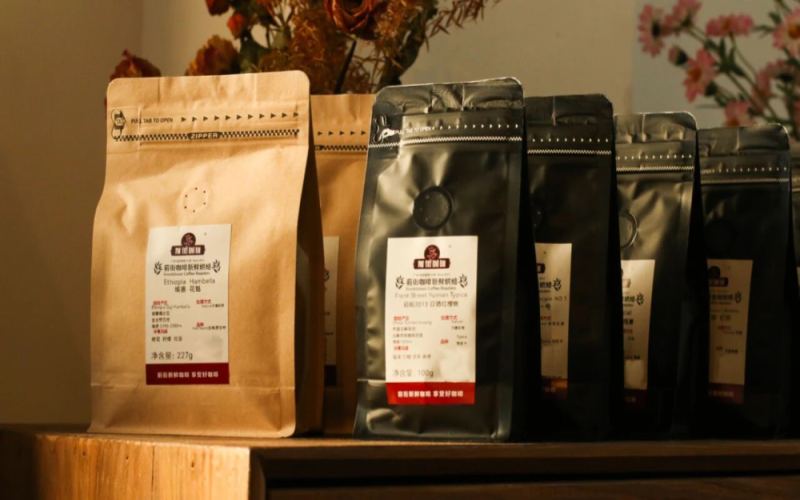
Recommendations for Fruity, Aromatic Pour-Over Single-Origin Beans | Why Does Coffee Have Fruity Flavors? Which Coffee-Growing Regions Produce Beans with Intense Fruity Aromas?
Front Street Coffee - Introduction to the Fruity and Floral Notes of Coffee Beans The factors that influence coffee flavor mainly fall into the following four categories. Below, we will explain how to choose the coffee beans that suit you best from four aspects: variety, origin, processing method, and roast level. Why does coffee have fruity notes? The reason coffee smells (and tastes) "fruity" ultimately comes down to [more…]
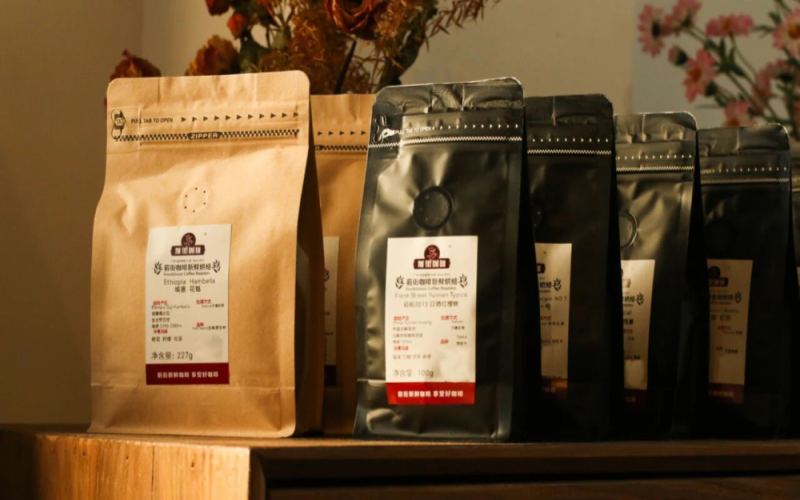
Where Does Coffee Fruit Flavor Come From? Four Dimensions—Variety, Origin, Processing Method, and Roast Level—Teach You to Choose the Right Fruit-Flavored Coffee Beans
The fascinating fruity aromas in coffee are no accident—they stem from aromatic compounds stored within the green beans, which are fully unleashed during roasting. To choose a fruity coffee that suits your taste, you need to consider four dimensions: variety, origin, processing method, and roast level. This article begins with the principles behind how fruity flavors form, sorts out the sources of common fruit flavors such as citrus, passion fruit, mango, and strawberry, and, drawing on Front Street Coffee's cupping experience, recommends five representative fruity coffee beans to help coffee lovers find the cup they're looking for. [more…]
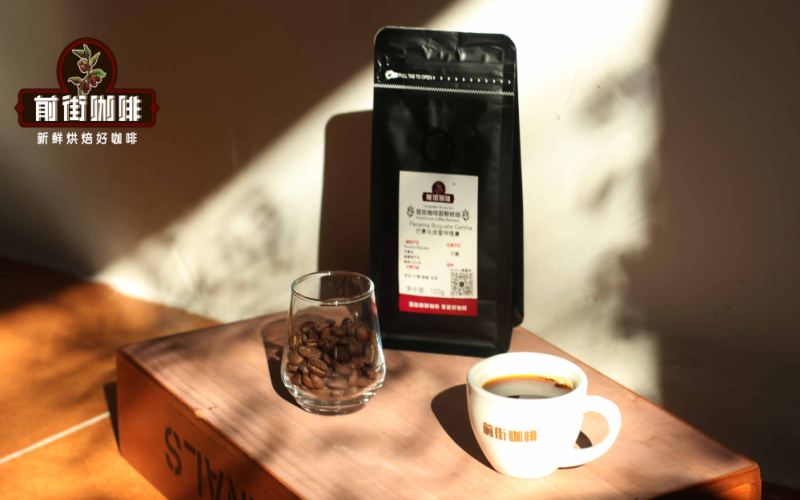
A Detailed Guide to the Specialty Geisha Pour-Over Method: Complete Parameters and Flavor Analysis from Bean Selection to Extraction
Geisha coffee has long been hailed as the king of the specialty coffee world, with high-end Geisha from Panama being especially sought after. Using the 90+ Panama Geisha Estate's Prospect Geisha as an example, this article systematically walks through the complete pour-over process, from bean selection and resting to three-stage pouring, and provides key parameters such as water temperature, coffee-to-water ratio, and grind size. It also shares the flavor profile of Front Street Coffee's Boquete Geisha, helping lovers of floral and fruity notes find an everyday go-to option, so that every brew comes closer to the ideal of cleanliness and complexity. [more…]
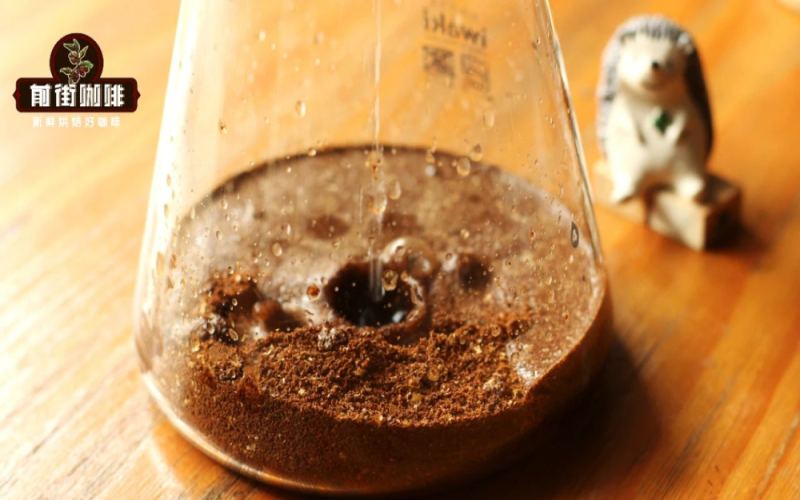
Cold Brew Coffee Bean Selection Guide: How to Choose Light-to-Medium Roast Fruity Single-Origin Beans, with Five Floral Bean Recommendations
Cold brew coffee, through its low-temperature slow extraction process, releases only floral and fruity aromas along with caramel sweetness, with almost no bitterness, making the choice of coffee beans especially critical. This article starts with the extraction principles of cold brew, answers what kind of coffee grounds to use for making cold brew, and highlights five light-to-medium roast single-origin beans with floral and fruity notes suitable for cold brew—from Front Street washed Fudingding to Butterfly—listing the flavor performance of each under two methods: cold brew/ice drip and Japanese iced coffee. At the end, it also includes Front Street Coffee's purchasing and roasting/shipping information, making it convenient for coffee lovers to buy as needed. [more…]
How to Choose an Entry-Level Panama Geisha? Variety and Flavor Analysis of Three Budget-Friendly, High-Value Geisha Coffee Beans
In the world of specialty coffee, Geisha has become a benchmark in the minds of many enthusiasts thanks to its intense floral aroma, bright fruit acidity, and lingering sweetness, yet its high price often makes it hard to enjoy on a daily basis. This article focuses on the uniqueness of the Geisha variety, sorts out the flavor differences between Panamanian and Ethiopian Geisha, and, based on official sales rankings, recommends three Geisha coffee beans under 100 yuan with excellent quality: Front Street Boquete Geisha, Front Street Gesha Village Red Label Geisha, and Front Street Granja Estate Geisha SOE. The article details each bean's growing region, flavor description, and suitable brewing methods, helping coffee lovers with limited budgets find a Geisha coffee suitable as a daily staple or an entry-level first choice. [more…]

The Birthplace of Ironman Geisha: The Founding Journey and Flavor Revelations of Panama's Hacienda La Aurora
Have you ever heard of "Ironman Geisha"? Behind this resounding title lies the legendary story of Panama's Finca Auromar and its founder, Roberto Brenes. From a finance elite to a coffee estate owner, Roberto infused the fighting spirit of triathlon into Geisha cultivation, creating top-tier coffee that has repeatedly won BOP awards. Front Street Coffee takes you into this young yet highly accomplished estate to explore the origin of the name Ironman Geisha, the estate's microclimate, processing techniques, and the cupping flavors of Catalina Natural Geisha. Whether you're a Geisha enthusiast or a coffee professional, you'll feel Finca Auromar's ultimate pursuit of quality. [more…]

Fruity and Floral Specialty Coffee Recommendations | Which Coffee-Producing Regions Are Most Likely to Yield Fruity and Floral Flavors? How Do Single-Origin Coffee Beans Develop Fruity and Floral Notes?
In the flavor universe of specialty coffee, floral notes are the most enchanting "hidden Easter egg"—they lift coffee out of the stereotype of bitterness and add a fresh, elegant layer of complexity. That said, the types of floral notes that appear in coffee are actually not that many, usually white floral notes dominated by jasmine, coffee blossom, and magnolia, along with rose [more…]
Analysis of Floral Coffee Bean Producing Regions: Flavor Causes, Roasting Impact, and Front Street Coffee Picks
In the world of specialty coffee, floral notes are a delightful flavor highlight. They break the stereotype that coffee is only bitter and not aromatic, delivering a fresh and elegant drinking experience. Common floral notes in coffee mainly include white-flower types such as jasmine, coffee blossom, and magnolia; pink sweet aromas like rose and tea rose; and slightly pungent, muted fragrances such as osmanthus and chamomile. These floral notes are not accidental—they are closely tied to a coffee's origin, variety, processing method, and roast level. Understanding these patterns allows you to more precisely select beans with floral notes. This article starts with floral note types, their causes, and the influence of roasting, and recommends several representative floral beans from Front Street Coffee to help you easily find the cup you love. [more…]
A Guide to Floral Aromas in Light Roast Coffee: From Bean Selection to Aroma, Learn to Capture the Floral Notes in Your Cup
The pleasure of coffee goes far beyond simply waking you up—it hides in the layered, intricate details of aroma. Floral notes are one of the most recognizable flavors in specialty coffee, closely tied to variety, origin, processing method, and roast level, with light-to-medium roasts especially able to lock in this delicate fragrance. Starting with bean selection, this article introduces six representative Front Street Coffee floral coffee beans and systematically explains a complete tasting method from dry aroma to wet aroma to finish, helping coffee lovers learn to capture that hint of blossom in the cup and truly open the door to the world of specialty coffee flavors. [more…]
An In-Depth Analysis of Panama's Aurora Estate Geisha: The "Iron Man" Legend of the BOP Champion Estate and Catalina Flavors
In the Volcán region of Panama, there is an estate barely over a decade old that has repeatedly made the BOP list—Finca Auromar. Founded by former Panama Stock Exchange CEO Roberto Brenes, it shot to fame by winning first place in the 2013 BOP washed category with its "Ironman Geisha," and has appeared on the winners' list almost every year since. The estate's name comes from his daughter and granddaughter, and its Geisha lots are often named after family members, such as Camilina and Catalina. This time, Front Street Coffee brings a detailed review of the Catalina natural Geisha and the Soul Plot Catuai, offering a comprehensive look at this top Geisha estate's unique charm—from its history and microclimate to processing methods and cupping flavors. [more…]
Specialty Coffee Floral Tasting Guide: Aroma Selection and Sniffing Techniques for Light-Roast Beans
The charm of coffee goes far beyond waking you up—what truly fascinates is the details hidden in every wisp of aroma. The floral flavors of specialty coffee are the first key that opens the door to the world of flavor for many enthusiasts. This article starts with the origins of floral aromas and introduces several Front Street Coffee beans known for their floral notes, including Yirgacheffe Gutingding, Natural Huakui, and Boquete Geisha, analyzing their respective aroma characteristics and suitable brewing methods one by one. At the same time, we will also share a complete aroma-sensing method that goes from dry fragrance, wet aroma, to finish and sipping, helping you more clearly capture those light, sweet floral layers in your daily brewing, and truly understand the "floral code" in coffee. [more…]